

🧪 Introduction: Why Durability Testing Matters
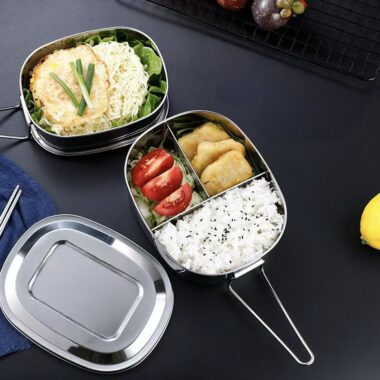
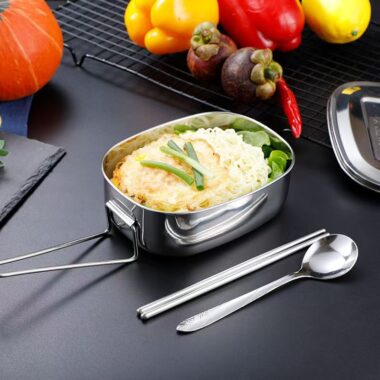
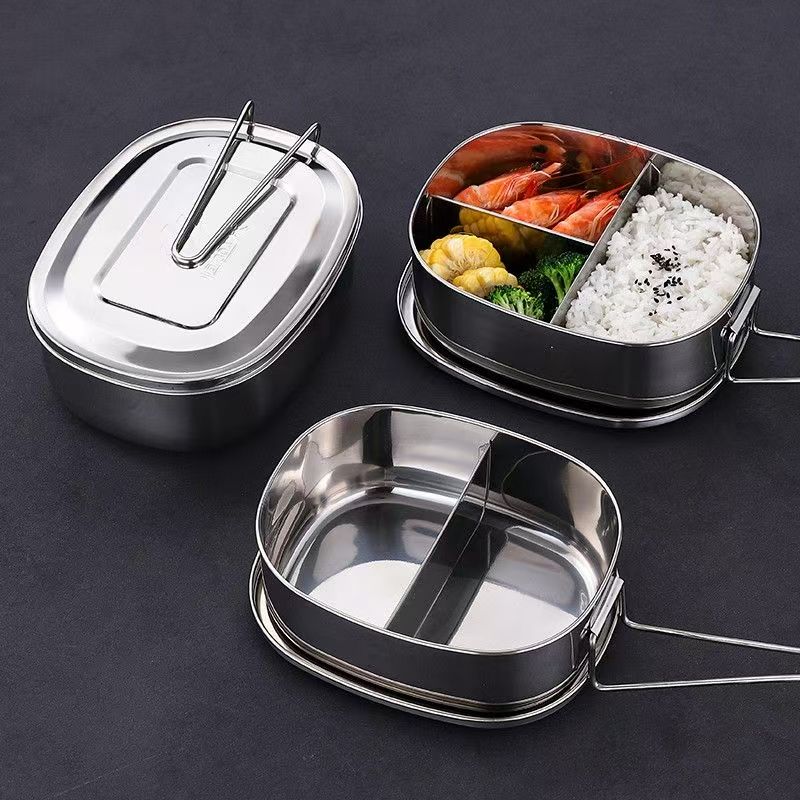
In industrial and commercial food operations, containers must withstand constant washing, temperature changes, and physical stress. This is where stainless steel food containers outperform plastic or aluminum alternatives — providing exceptional strength, hygiene, and lifespan.
Partnering with a certified Food Container Manufacturer ensures that every stainless steel unit is tested against international durability and safety standards before leaving the factory floor.
🔩 1. Material Integrity and Structural Testing
The foundation of durability lies in the grade of stainless steel. Industrial-grade SUS304 and SUS316 steels are selected for their high chromium and nickel content, offering superior corrosion and rust resistance.
Testing methods include:
-
Tensile Strength Test: Evaluates deformation and break limits under pressure.
-
Impact Resistance Test: Simulates accidental drops and shocks during handling.
-
Load Bearing Test: Measures the maximum stacking or filling weight without warping.
These tests ensure each container maintains its structure even under heavy industrial conditions such as catering logistics or hospital kitchens.
🔥 2. Thermal Shock and Temperature Resistance
Industrial food containers frequently move between freezers and high-temperature dishwashers. Manufacturers test heat endurance through:
-
Thermal Shock Tests: Alternating between -40°C and +120°C to simulate daily operations.
-
Oven Heating Simulations: Testing structural stability at up to +250°C.
-
Rapid Cooling Assessments: Ensuring no cracks or lid deformation after immersion in cold water.
Such rigorous testing guarantees containers remain safe for direct heating and cooling cycles without material fatigue or loss of sealing capability.
💧 3. Corrosion and Chemical Resistance
In commercial environments, detergents, brine, and acidic foods can corrode low-grade metals. To ensure longevity, stainless steel containers undergo:
-
Salt Spray Tests (ASTM B117): Measuring corrosion resistance over 96–240 hours.
-
pH Exposure Tests: Assessing reaction to acidic sauces and alkaline cleaning agents.
-
Surface Passivation Analysis: Confirming the formation of a protective chromium oxide layer that prevents rust.
These standards make stainless steel the go-to choice for long-term storage and professional catering applications.
🧼 4. Hygiene and Sanitation Validation
Unlike porous plastics, stainless steel provides a non-reactive and non-porous surface, minimizing bacterial growth. Factories conduct microbial adhesion tests to ensure hygienic safety after repeated wash cycles.
Additionally, all containers are certified under FDA and LFGB for direct food contact.
When sourced from a verified Reusable Containers Manufacturer, buyers gain confidence in quality control and material traceability.
🏗️ 5. Longevity and Real-World Simulation
Beyond lab testing, factories simulate long-term field usage through mechanical endurance experiments:
-
Vibration Testing: Mimics truck or shipping container movement.
-
Handle Strength Testing: Ensures handles withstand repeated lifting with full load.
-
Dishwasher Cycle Simulation: Repeats up to 500 wash cycles to confirm resistance to corrosion and mechanical fatigue.
These tests reflect real-world conditions for restaurants, food processors, and large catering groups — confirming containers can sustain daily heavy-duty use.
✅ Conclusion
Durability testing ensures stainless steel food containers meet industrial expectations for safety, hygiene, and performance. With proper testing methods and international certifications, they offer a long-term solution for large-scale kitchens, food factories, and distribution networks.
Working with an experienced Food Container Manufacturer provides assurance of reliable materials, precise testing standards, and OEM customization options tailored for commercial and industrial use.