

💎 Introduction: Why Transparency and Safety Matter
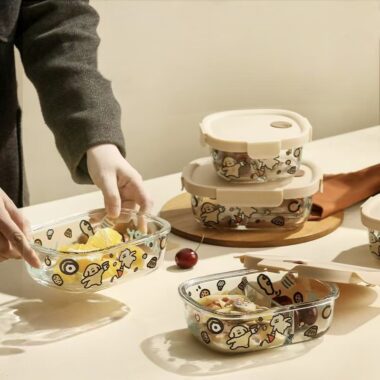
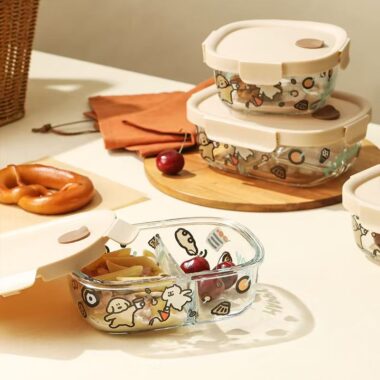
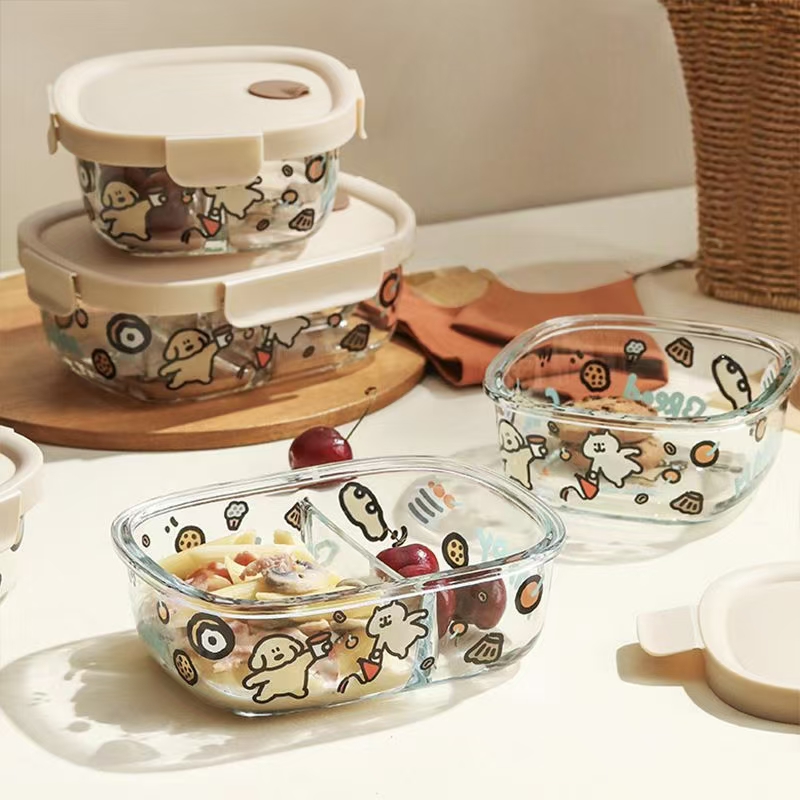
In the global food packaging industry, glass food containers are recognized for their purity, visibility, and safety. For brands and wholesalers, maintaining optical transparency and food-grade quality is critical to consumer trust.
A professional Food Container Manufacturer ensures that each glass container not only looks crystal clear but also meets international food contact and safety standards — from raw material selection to final inspection.
🔬 1. Material Selection: Purity Defines Transparency
True transparency begins with high-quality materials. The two most common types used by glass container suppliers are:
-
Borosilicate Glass: Superior thermal resistance, clarity, and chemical stability.
-
Tempered Soda-Lime Glass: Economical, impact-resistant, and widely used in retail food storage.
Manufacturers avoid recycled or impure glass blends that can introduce air bubbles, discoloration, or microfractures. Each batch of raw material undergoes spectrophotometric analysis to ensure consistent clarity and light transmission.
🧪 2. Manufacturing Process: Controlling Clarity and Strength
The production of glass food containers involves precision engineering to balance transparency and durability. Key steps include:
-
Melting and Refining: Heating glass to over 1,400°C to remove gas inclusions.
-
Molding: Using steel molds that shape the container while preserving optical quality.
-
Annealing: Gradual cooling to relieve internal stress and prevent cracking.
-
Tempering: Rapid reheating and cooling to enhance impact resistance.
By following these controlled thermal processes, suppliers ensure each container maintains uniform transparency without compromising strength.
🧼 3. Surface Coatings and Anti-Fog Treatments
During storage and use, condensation or oil residue can reduce clarity. To prevent this, manufacturers apply:
-
Hydrophilic Coatings that minimize fogging under refrigeration.
-
Oil-Resistant Treatments to prevent film buildup on glass surfaces.
-
Nano-Seal Layers that enhance gloss while reducing fingerprints.
These advanced coatings not only improve appearance but also prolong product life for commercial users such as restaurants and catering services.
🧫 4. Safety and Hygiene Testing
Glass containers are non-porous and naturally resist bacteria, but safety certification remains essential. Every Reusable Containers Manufacturer conducts rigorous quality checks, including:
-
Thermal Shock Test: Ensures containers can transition from freezer to oven without breaking.
-
Migration Tests: Confirm no harmful substances leach into food at high temperatures.
-
Impact and Drop Tests: Verify durability during packaging and delivery.
-
Microscopic Inspection: Detects microcracks invisible to the naked eye.
These tests guarantee that glass containers remain safe, strong, and reusable even after hundreds of cleaning cycles.
🧴 5. Maintaining Transparency During Use
Even the clearest glass can lose luster if poorly maintained. Suppliers often educate clients on best practices, including:
-
Avoid abrasive cleaning pads that may scratch surfaces.
-
Use pH-neutral detergents to preserve clarity.
-
Rinse immediately after use to prevent staining from sauces or oils.
-
Avoid sudden exposure to extreme temperatures (e.g., freezer to boiling water).
With proper care, premium glass containers retain their brilliance and transparency for years, reducing the need for frequent replacements.
🌍 6. Sustainability and Brand Differentiation
Glass containers not only ensure food safety but also support eco-conscious brand positioning.
They are:
-
100% recyclable and reusable without quality loss.
-
Free from toxins, BPA, or microplastics.
-
Preferred by premium brands that value clarity and sustainability.
Custom options such as engraved logos or tinted lids allow businesses to align visual identity with environmental responsibility, appealing to a growing base of eco-aware consumers.
✅ Conclusion
Transparency and safety define the reputation of every glass food containers supplier. By combining pure materials, precision molding, and strict quality testing, manufacturers deliver products that meet the highest international standards.
Partnering with an experienced Food Container Manufacturer ensures that your brand’s glass packaging remains crystal-clear, safe, and sustainable — supporting both long-term value and environmental goals.