

🌍 Introduction: Transitioning to a Circular Packaging Model
As global awareness of plastic waste grows, the circular economy concept is reshaping how companies design and use packaging. Rather than “take, make, dispose,” the circular model emphasizes reuse, recycling, and resource efficiency.
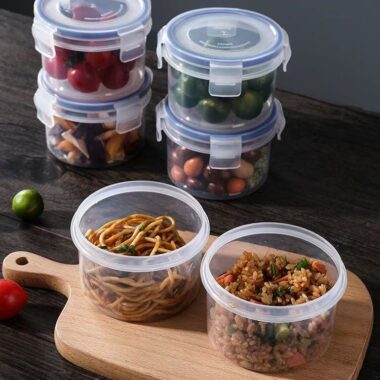
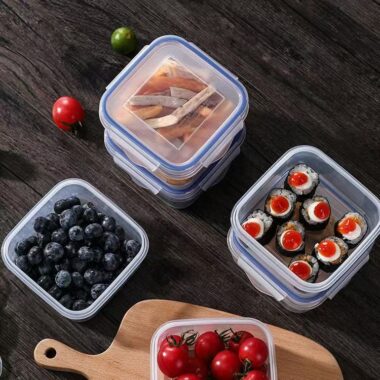
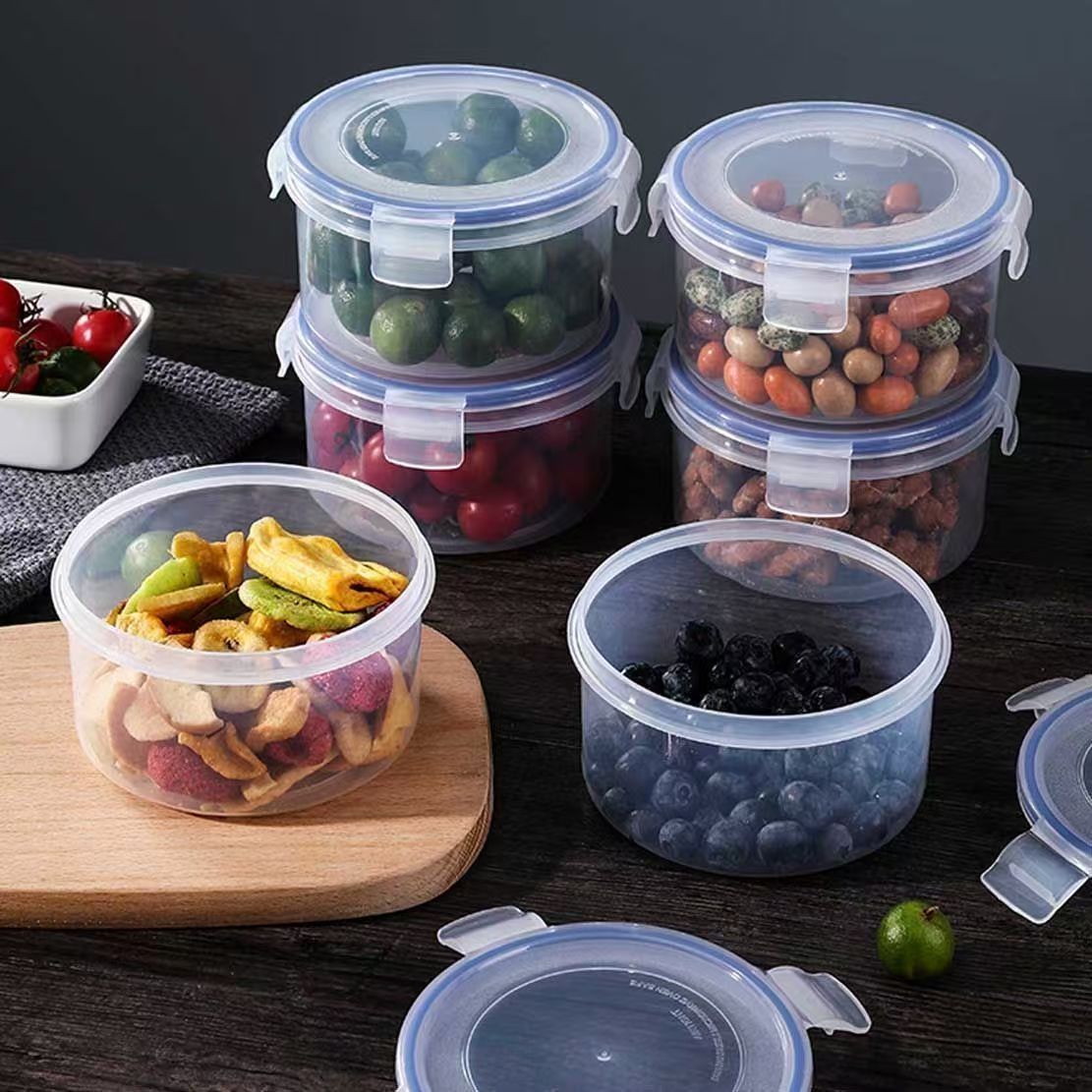
Among various materials, PP (Polypropylene) reusable containers stand out as one of the most practical, scalable, and sustainable solutions. A professional Food Container Manufacturer ensures every PP container is produced to last, supporting closed-loop systems that minimize waste and maximize value.
🔁 1. What Is the Circular Economy in Packaging?
The circular economy focuses on keeping packaging materials in use for as long as possible through recovery, reuse, and recycling. In food packaging, this means containers that can be washed, refilled, and used repeatedly instead of being discarded after a single meal.
PP reusable containers align perfectly with this philosophy — they are durable, recyclable, and lightweight, making them ideal for repeated use cycles in catering, takeout, and delivery services.
♻️ 2. Why PP Is the Ideal Material for Reuse
Polypropylene is one of the most sustainable plastics available today. It offers:
-
High durability: Can withstand hundreds of use cycles without breaking.
-
Temperature stability: Suitable for microwaves, dishwashers, and freezers.
-
Recyclability: Fully recyclable under the No. 5 recycling code.
-
Chemical safety: BPA-free and compliant with FDA/LFGB food contact standards.
Unlike single-use plastics like PET or PS, PP maintains its structural integrity even under repeated heating and washing, extending its functional lifespan and reducing the need for replacement.
🏭 3. The Manufacturing Approach to Sustainability
Factories focused on circular packaging production integrate eco-friendly practices throughout the process. A certified Reusable Containers Manufacturer employs:
-
Closed-loop recycling systems: Reusing production scraps and defective parts.
-
Energy-efficient molding: Reducing carbon emissions during injection molding.
-
Optimized logistics: Compact packaging and bulk shipping to cut waste.
These steps help minimize environmental impact not only for end-users but also across the entire supply chain.
🔄 4. Reusability in Practice: From Takeaway to Return Systems
Many restaurant chains and food delivery platforms now adopt return and reuse models using PP containers. Customers can return used packaging for professional cleaning and reuse — a win-win for both business and environment.
Key benefits include:
-
Reduced packaging costs over time.
-
Stronger customer loyalty through sustainability programs.
-
Compliance with local “reusable packaging mandates” in markets such as the EU and Canada.
PP containers’ durability and ease of sanitation make them the perfect fit for these evolving systems.
💼 5. Economic Benefits for B2B Buyers
PP reusable containers deliver long-term savings for wholesale buyers by reducing continuous packaging purchases. Over several reuse cycles, businesses can achieve:
-
Up to 70% cost reduction compared to single-use alternatives.
-
Streamlined waste management and disposal savings.
-
Opportunities to market eco-friendly credentials to attract corporate clients.
This makes them not only environmentally sustainable but also financially efficient for restaurants, caterers, and meal prep services.
✅ Conclusion
Circular economy packaging isn’t just a sustainability trend — it’s the future of responsible business. PP reusable containers exemplify this transformation by combining durability, hygiene, and recyclability into one practical solution.
Working with an experienced Food Container Manufacturer ensures access to certified materials, sustainable production, and OEM customization that supports your company’s environmental and economic goals.